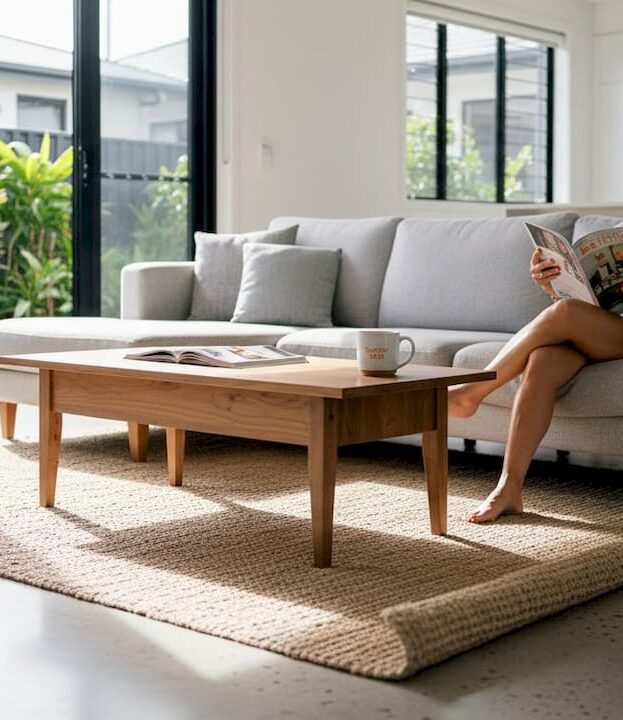


Choosing the wrong flooring is an expensive mistake. Cracked tiles, warped planks, and stained surfaces force costly repairs, disrupt daily routines, and leave your property looking worn well before its time. For Queensland homeowners and business owners dealing with high humidity, heavy foot traffic, and intense UV exposure, flooring durability is not a luxury — it is a necessity. This article walks you through the key criteria for durable flooring, evaluates the top-performing materials available in 2026, and gives you a clear side-by-side comparison so you can make a confident, informed decision for your space.
Table of Contents
- Why durability matters: Key criteria for Queensland floors
- Porcelain tiles: The ultimate in longevity and resilience
- Hybrid flooring and vinyl planks: Balancing toughness and comfort
- Polished and honed concrete: Seamless strength for every setting
- Comparing the top durable flooring types for Queensland
- Choosing what’s right for your home or business
- Pro tips for maintaining durable flooring
- Explore Queensland’s best durable flooring options with Floor X
- Frequently asked questions
Key Takeaways
| Point | Details |
|---|---|
| Durability boosts value | Long-lasting floors reduce replacement costs and increase property value in Queensland. |
| Material matters | Porcelain tile, polished concrete, and hybrids outperform basic laminate or carpet in hard-wearing spaces. |
| Right fit is personal | Match the floor type to your home, business, comfort, and maintenance needs for best results. |
| Maintenance is key | Even durable floors last longer with simple, regular care and protection. |
Why durability matters: Key criteria for Queensland floors
Durability in flooring means more than just hardness. It covers a floor’s ability to resist scratches, stains, moisture, and wear over time, and as Consumer Reports notes, resistance varies greatly between materials. In Queensland, that variation matters enormously. Coastal humidity, summer storms, sandy feet, and busy commercial spaces all test flooring in ways that milder climates simply do not.
A truly durable floor for Queensland conditions should deliver:
- Moisture resistance: Prevents swelling, warping, and mould growth in humid or wet areas
- Scratch resistance: Handles pets, furniture, and foot traffic without showing damage
- Fade resistance: Maintains colour under strong Queensland sunlight
- Easy cleaning: Withstands frequent mopping and commercial-grade cleaning products
- Long lifespan: Reduces the frequency and cost of replacement
When you invest in durable flooring explained from the outset, you reduce lifetime costs significantly. A floor that lasts 30 years instead of 10 eliminates two full replacement cycles, plus the labour, downtime, and disruption that come with each one.
“The cheapest floor to install is rarely the cheapest floor to own. Durability is the single biggest factor in long-term flooring value.”
Pro Tip: Before selecting any flooring, assess the specific demands of your space. A busy café kitchen has very different needs from a residential bedroom, and choosing accordingly prevents premature failure. You can also explore the lasting value of polished concrete as a benchmark for long-term performance.
With durability as a clear priority, the next step is examining the top-performing materials available to Queensland buyers.
Porcelain tiles: The ultimate in longevity and resilience
Porcelain tile is widely regarded as one of the most durable flooring options on the market. It delivers unmatched resistance to scratches, staining, and water, making it a strong candidate for both high-traffic commercial environments and busy residential areas like kitchens, bathrooms, and entryways.
According to Royal Tiles, porcelain tiles last 30 to 50 or more years with proper care, and their water resistance makes them particularly well-suited to Queensland’s climate. For a deeper look at how tile flooring durability compares across material types, independent comparisons confirm porcelain consistently ranks at the top.
Key advantages of porcelain tiles:
- Extremely hard surface resists chips, scratches, and heavy impact
- Virtually impervious to water and staining when properly sealed
- Available in a wide range of sizes, finishes, and colours
- Suitable for both indoor and outdoor Queensland applications
- Retains appearance for decades with minimal upkeep
Potential drawbacks to consider:
- Hard and cold underfoot, which can be uncomfortable in living areas
- Grout lines require regular cleaning to prevent staining and mould
- Higher installation cost compared to vinyl or hybrid options
- Heavy weight can complicate installation on upper floors
For spaces where comfort or budget rank higher, other durable materials offer compelling options. You may also want to review the polished concrete benefits as a seamless, grout-free alternative for large commercial or residential areas.
Hybrid flooring and vinyl planks: Balancing toughness and comfort
Hybrid flooring has grown rapidly in popularity across Queensland homes and offices, and for good reason. It combines a rigid core with a realistic timber or stone appearance, delivering strength alongside genuine underfoot comfort. Vinyl planks take a similar approach but with a softer, more flexible construction that suits budget-conscious buyers.
As noted by Consumer Reports, hybrid and vinyl floors offer strong value, comfort, and ease of installation, though they cannot be refinished and carry a shorter lifespan than tile. For a broader comparison of vinyl flooring durability against other materials, independent testing confirms these floors perform well in moderate-traffic settings.
Strengths of hybrid and vinyl plank flooring:
- Water resistant and suitable for wet areas like laundries and bathrooms
- Warmer and softer underfoot than tile or concrete
- Faster and easier to install, often reducing labour costs
- Wide range of realistic finishes at accessible price points
- Low maintenance with simple sweep-and-mop care
Limitations to keep in mind:
- Cannot be sanded or refinished if damaged
- Shorter lifespan than tile or concrete, typically 15 to 25 years
- May not suit heavy industrial or high-impact commercial environments
Pro Tip: Hybrid flooring works exceptionally well in Queensland rental properties. Its water resistance, durability, and ease of replacement make it a practical choice for landlords managing multiple tenancies. For heavier commercial applications, explore commercial flooring alternatives that handle greater demands.
Alongside tiles, concrete-based floors are rising stars in Queensland durability.
Polished and honed concrete: Seamless strength for every setting
Polished and honed concrete floors have moved well beyond industrial warehouses. Today, they appear in retail showrooms, family homes, restaurants, and medical facilities across Queensland. Their appeal is straightforward: they are exceptionally hard, seamless, and built to last for the life of the building when properly maintained.
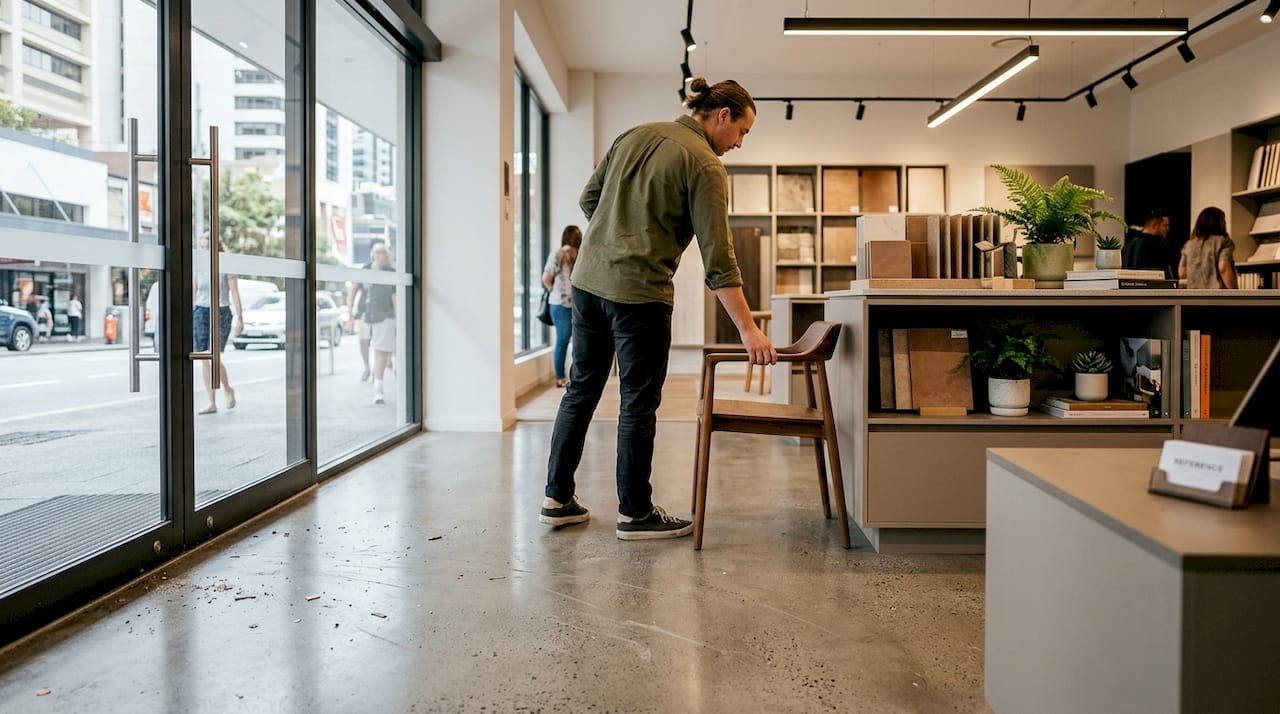
As Royal Tiles confirms, concrete floors perform exceptionally well in high-traffic and commercial spaces, and are increasingly popular in homes for their low maintenance and custom finish options. Our concrete polishing guide covers the full process in detail for both homeowners and commercial operators.
Why polished concrete stands out:
- Highly resistant to impacts, abrasion, and heavy machinery
- Integrated sealers protect against stains, oils, and water penetration
- Aesthetic flexibility through polishing levels, colour additives, and aggregate exposure
- No grout lines, seams, or joins to trap dirt or bacteria
- Minimal maintenance requirements over decades of use
For garages and workshops, a garage-friendly concrete coating adds an additional layer of chemical and abrasion resistance that suits Queensland’s active lifestyle.
“Polished concrete is one of the few flooring systems that genuinely improves with age when maintained correctly. The surface hardens further over time through a process called densification.”
With the best candidates introduced, a side-by-side comparison reveals which option best fits your needs.
Comparing the top durable flooring types for Queensland
Understanding each material individually is useful, but comparing them directly makes the decision far clearer. As Consumer Reports confirms, porcelain, concrete, and hybrid options all outperform basic laminate or carpet in long-term value and upkeep for Queensland settings. For a broader durable flooring comparison across material types, independent sources align with this assessment.
| Flooring type | Lifespan | Water resistance | Comfort | Maintenance | Best use case |
|---|---|---|---|---|---|
| Porcelain tile | 30 to 50+ years | Excellent | Low | Low to moderate | Kitchens, bathrooms, retail |
| Polished concrete | 20 to 50+ years | Excellent (sealed) | Low to moderate | Very low | Warehouses, showrooms, homes |
| Hybrid flooring | 15 to 25 years | Very good | High | Very low | Homes, offices, light commercial |
| Vinyl plank | 10 to 20 years | Very good | High | Very low | Rentals, bedrooms, light retail |
| Laminate | 10 to 15 years | Poor | Moderate | Moderate | Low-traffic residential only |
For Queensland businesses, understanding how floor coatings and value interact is also worth considering when making your final selection.
Understanding the data is helpful, but choosing the best fit requires considering your specific space’s needs.
Choosing what’s right for your home or business
Selecting the right durable flooring comes down to matching the material to your specific conditions. Expert recommendations consistently stress matching flooring to traffic level, exposure, and long-term value preferences. Here is a practical step-by-step process to guide your decision:
- Assess your traffic level. A busy café or retail floor needs a harder, more abrasion-resistant surface than a home office or bedroom.
- Consider moisture exposure. Bathrooms, laundries, outdoor-adjacent areas, and commercial kitchens demand high water resistance as a non-negotiable.
- Set a realistic budget. Include installation, ongoing maintenance, and expected replacement costs over 20 years, not just the upfront price.
- Define your aesthetic priorities. Polished concrete suits modern industrial looks; porcelain suits clean, classic spaces; hybrid suits warm, residential feels.
- Check warranty and compliance. Ensure your chosen product and installer meet Australian standards and offer a meaningful warranty.
- Plan for aftercare. Every durable floor needs a maintenance routine. Factor in resealing schedules, cleaning products, and professional servicing intervals.
For example, a busy family home in Brisbane benefits most from hybrid flooring in living areas and polished concrete or tile in wet zones. A Gold Coast café suits polished concrete or large-format porcelain throughout. A manufacturing facility needs industrial-grade concrete coatings for durability that handle chemical spills and forklift traffic.
For all durable floors, maximising their lifespan relies on proper maintenance and timely care.
Pro tips for maintaining durable flooring
Even the toughest floor will deteriorate faster without consistent care. As Royal Tiles confirms, routine cleaning and spill response are simple measures that extend any hard floor’s life significantly. Here are the five most important maintenance practices we recommend:
- Sweep or vacuum regularly. Grit and sand act like sandpaper underfoot, gradually scratching even hard surfaces. Daily sweeping in high-traffic areas prevents this.
- Clean spills immediately. Acids, oils, and chemicals can penetrate sealers if left to sit. Prompt cleanup protects the surface and the sealer beneath.
- Use appropriate cleaning products. Avoid harsh acids or bleach on sealed concrete or tile. pH-neutral cleaners preserve the sealer and the finish.
- Place mats at all entry points. Entrance mats capture the majority of abrasive particles before they reach your floor surface.
- Schedule professional resealing. Polished concrete and sealed tile benefit from professional resealing every three to five years depending on traffic levels.
Pro Tip: If your polished concrete floor starts to look dull or loses its sheen, do not wait for visible damage before acting. Early resealing is far less costly than grinding back and refinishing a neglected surface. Our polished floor care guide covers the full maintenance schedule in detail.
Equipped with this knowledge, you are ready to act on the proven benefits durable flooring delivers.
Explore Queensland’s best durable flooring options with Floor X
At FloorX Industries, we specialise in delivering high-performance flooring solutions across Queensland’s residential, commercial, and industrial sectors. Whether you are weighing up epoxy floor coatings for a garage or workshop, exploring the polished concrete benefits for Queensland homes and businesses, or need industrial floor coatings that handle the toughest conditions, our team brings over a decade of proven expertise to every project.
We work with you to assess your space, understand your priorities, and recommend the flooring system that delivers the best long-term result for your budget. Our solutions comply with Australian standards, use industrial-grade materials, and are backed by clear warranties. Contact us today for a free consultation and tailored quote. Your durable floor journey can start today with trusted, local expertise.
Frequently asked questions
What type of durable flooring lasts the longest?
Porcelain tile floors usually have the longest lifespan, often lasting over 50 years with proper care, as confirmed by porcelain tile lifespan data from industry sources. Polished concrete is a close second, with lifespans that can match the building itself when maintained correctly.
Are hybrid floors suitable for Queensland homes?
Hybrid floors are well-suited for Queensland homes, offering strong water and stain resistance alongside comfort and modern aesthetics. They perform particularly well in living areas, bedrooms, and light commercial spaces.
How do I maintain my durable floor to extend its life?
Regular sweeping, using mats at entries, and prompt spill cleanup are the most effective daily habits, as routine cleaning consistently extends hard floor lifespan. Professional resealing every few years adds another layer of long-term protection.
Which is more cost effective: concrete or tile flooring?
Concrete floors are often more cost-effective to install across large areas, particularly in commercial settings where seamless coverage reduces labour time. Tile offers greater design flexibility but typically carries a higher installation cost per square metre.