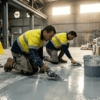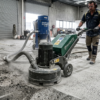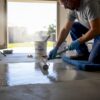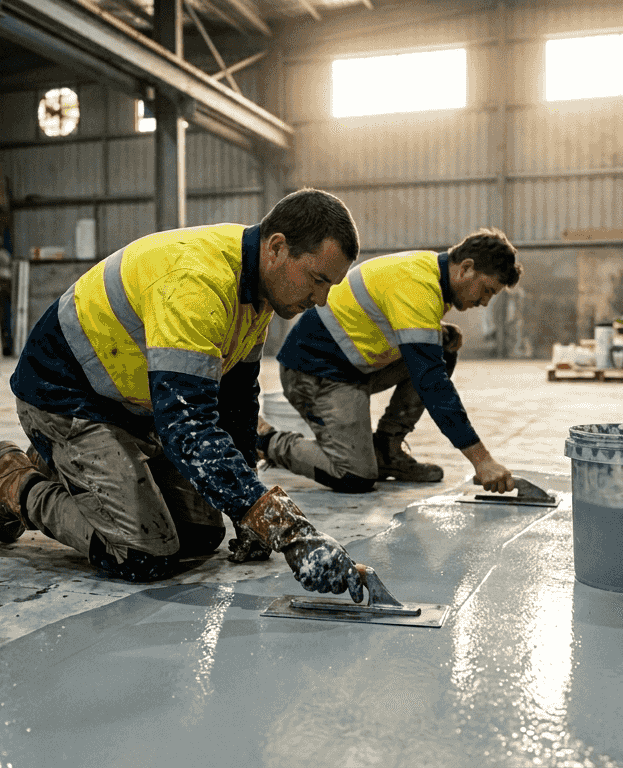


Concrete floors have a reputation for being virtually indestructible, and that reputation leads many Queensland homeowners and property managers to assume they need little attention beyond an occasional sweep. That assumption is costly. Without consistent care, even the most robust concrete surface can develop stains, cracks, and surface degradation that chip away at both aesthetics and property value. Poor maintenance leads to higher resurfacing costs, while a well-maintained floor actively enhances curb appeal. In this article, we cover why regular upkeep matters, the specific benefits you gain, practical maintenance routines, and when to bring in professional support.
Table of Contents
- Why does concrete flooring require regular maintenance?
- Top benefits of maintaining concrete flooring
- Essential maintenance practices for concrete floors
- When should you seek professional help?
- The overlooked truth about concrete floor maintenance in Queensland
- Take your concrete floors to the next level with expert help
- Frequently asked questions
Key Takeaways
| Point | Details |
|---|---|
| Concrete needs care | Early and regular maintenance prevents expensive damage and keeps floors looking great. |
| Boosts property value | A well-maintained concrete floor enhances curb appeal and the resale value of your property. |
| DIY vs. professional | Routine cleaning is manageable, but complex issues need expert attention for best results. |
| Custom care for Queensland | Queensland’s unique climate demands targeted upkeep to maximise floor lifespan and safety. |
Why does concrete flooring require regular maintenance?
The idea that concrete floors are maintenance-free is one of the most persistent myths in property management. Concrete is strong, yes, but it is also porous. Without a sealed, well-cared-for surface, it absorbs moisture, oils, and contaminants that gradually weaken its structure and appearance.
Queensland’s climate adds a specific layer of complexity. High humidity levels, intense UV exposure, and seasonal storms create conditions that accelerate surface wear. Moisture that penetrates unsealed concrete can cause efflorescence, a white powdery residue that forms when salts migrate to the surface. Thermal expansion from heat cycles can widen hairline cracks over time. These are not hypothetical risks; they are common outcomes we see regularly on neglected floors across the Gold Coast and greater Queensland.
“A well-maintained concrete floor doesn’t just look better — it holds its structural integrity longer and supports the overall value of the property it sits in.”
The financial consequences of neglect are real. Resurfacing and repair costs climb significantly when floors are left without care, because minor issues compound into major structural problems. A small crack ignored for two years becomes a trip hazard and a drainage issue. A stain left unsealed becomes a permanent blemish requiring grinding to remove.
Here is what consistent maintenance protects against:
- Surface staining from oils, chemicals, and organic matter
- Moisture ingress and the cracking it causes
- UV-related fading and surface chalking on outdoor slabs
- Grit abrasion that dulls polished or coated finishes
- Biological growth such as mould and mildew in humid areas
The benefits of polished concrete are only fully realised when the surface is maintained properly. A floor that was expertly installed but poorly cared for will underperform compared to a standard slab that receives regular attention. For anyone investing in durable flooring in Queensland, maintenance is not optional — it is part of the investment. The full range of decorative concrete types each has specific care requirements, and understanding those requirements is the first step toward protecting your floor long term.
Having established why concrete floors are not truly maintenance-free, let’s examine the specific benefits you gain from regular upkeep.
Top benefits of maintaining concrete flooring
Now that you know why concrete flooring needs attention, here is exactly what you will gain by keeping it in top shape.
Well-maintained concrete flooring enhances property value and curb appeal, and this is not just an aesthetic claim. Buyers and tenants make rapid judgements based on what they see underfoot. A clean, sealed, visually consistent floor signals that a property has been cared for. A cracked or stained one signals the opposite.
Here are the core benefits, ranked by impact:
- Increased property value. Floors in excellent condition contribute directly to higher appraisals and faster sales or lease agreements.
- Extended floor lifespan. Regular sealing and cleaning can add years, sometimes decades, to the functional life of a concrete surface.
- Improved safety. Maintained floors have consistent grip, fewer cracks, and no loose surface material that could cause slips or falls.
- Better hygiene. Sealed concrete resists bacterial growth and is far easier to sanitise, which matters greatly in commercial kitchens, medical facilities, and food storage areas.
- Sustained visual appeal. A clean, well-sealed floor retains its colour, sheen, and finish far longer than a neglected one.
Pro Tip: Apply a pH-neutral cleaner specifically formulated for sealed concrete rather than general-purpose floor cleaners. Harsh chemicals strip sealers prematurely and increase your resealing frequency.
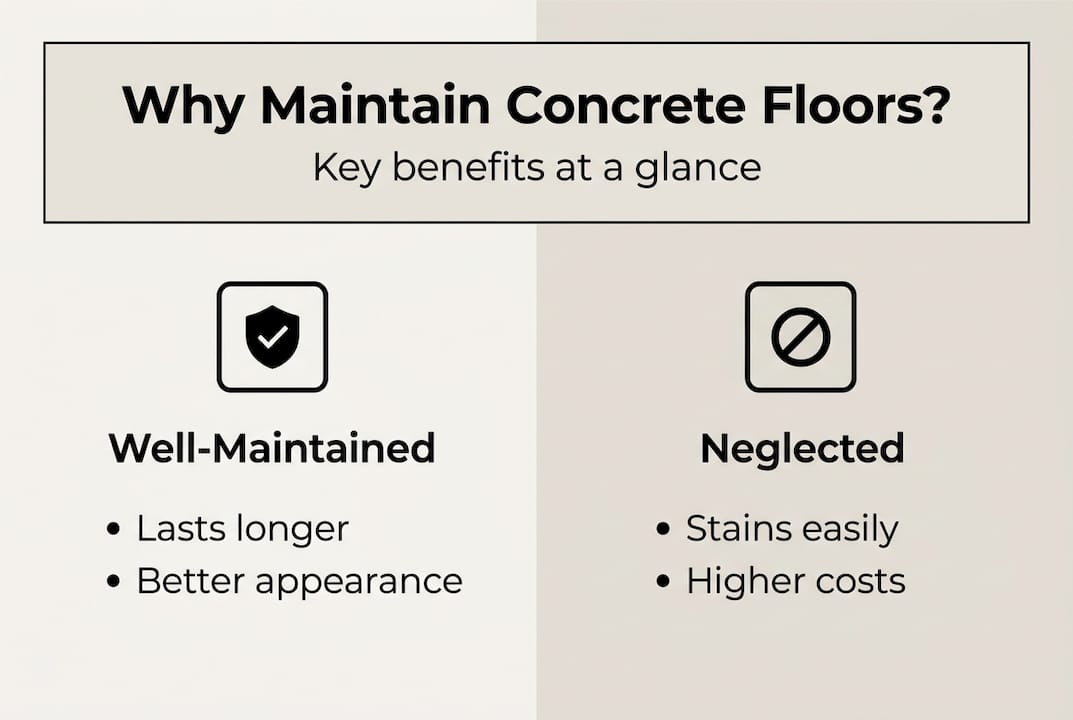
Here is a quick comparison of maintained versus neglected concrete floors over a five-year period:
| Factor | Maintained floor | Neglected floor |
|---|---|---|
| Surface condition | Consistent, clean finish | Stained, chalky, or cracked |
| Repair frequency | Low | High |
| Estimated repair cost | Minimal | Significant resurfacing costs |
| Property impression | Strong, positive | Negative, dated |
| Safety rating | High | Moderate to low |
The link between floor coatings and property value is well established in the commercial sector, where presentation directly influences foot traffic and brand perception. The same logic applies to residential properties. The lasting value of polished concrete is only delivered when the surface receives consistent care throughout its life.
Essential maintenance practices for concrete floors
Understanding the benefits makes it clear that hands-on maintenance is worth it, so let’s break down practical steps you can take.
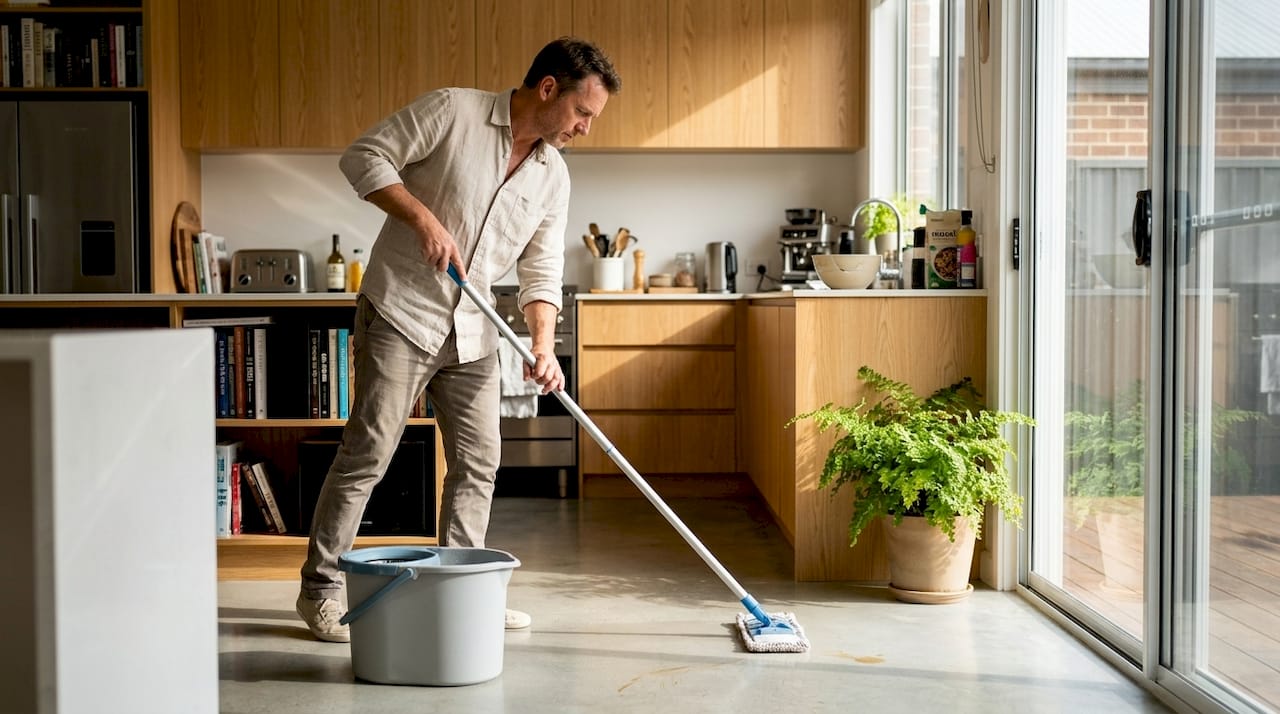
Preventing costly resurfacing starts with simple, consistent habits. The most effective maintenance routines are not complicated, but they do require regularity.
Follow these steps to keep your concrete floors performing well:
- Sweep daily in high-traffic areas. Grit and fine particles act like sandpaper underfoot, gradually abrading sealed and polished surfaces. A microfibre dust mop is more effective than a stiff broom.
- Mop weekly with a pH-neutral cleaner. Avoid vinegar, bleach, or ammonia-based products. These strip sealers and dull finishes over time.
- Address spills immediately. Oils, acids, and coloured liquids penetrate unsealed concrete within minutes. Blot, do not wipe, to avoid spreading the contaminant.
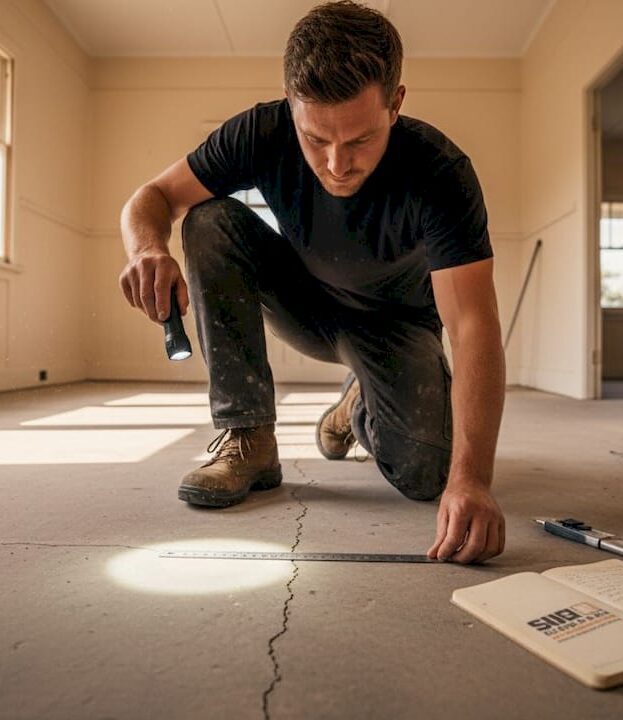
- Inspect the surface every three months. Look for hairline cracks, areas where the sealer has worn thin, or spots where the surface feels rough or powdery.
- Reseal every two to three years. In high-traffic or outdoor environments, resealing may be needed annually. A quality sealer restores protection and refreshes the appearance.
- Use protective mats and furniture pads. Entry mats reduce the volume of grit tracked onto the floor. Felt pads under furniture legs prevent scratching.
Pro Tip: In Queensland’s humid months, increase ventilation in enclosed spaces with concrete floors. Trapped moisture accelerates sealer breakdown and can cause surface haziness on polished finishes.
For floors that have already developed surface wear, reviewing a detailed concrete polishing guide will help you understand what restoration options are available. Choosing the right product matters too; the best concrete coatings vary depending on whether the floor is indoors or outdoors, residential or commercial, and the level of traffic it receives.
When should you seek professional help?
There is a limit to what you can do yourself, and even the best routines cannot fix all problems. Let’s look at when to call in experts.
Professional maintenance and repair can prevent more expensive interventions down the track. Knowing when to escalate from DIY care to professional service is a practical skill every property owner should develop.
Watch for these warning signs that indicate professional attention is needed:
- Cracks wider than 3mm or cracks that are growing in length
- Deep staining that does not respond to cleaning
- Surface spalling, where the top layer flakes or chips away
- Persistent moisture or damp patches on indoor slabs
- Loss of grip on previously non-slip surfaces
- Visible pitting or erosion of the concrete surface
Here is how DIY approaches compare to professional solutions:
| Issue | DIY approach | Professional solution |
|---|---|---|
| Surface staining | Cleaning products | Diamond grinding and recoating |
| Hairline cracks | Filler compounds | Structural crack injection |
| Worn sealer | Consumer-grade resealer | Industrial-grade coating system |
| Dull polished finish | Buffing pads | Diamond polishing and densifier |
| Spalling or pitting | Limited options | Full resurfacing or overlay |
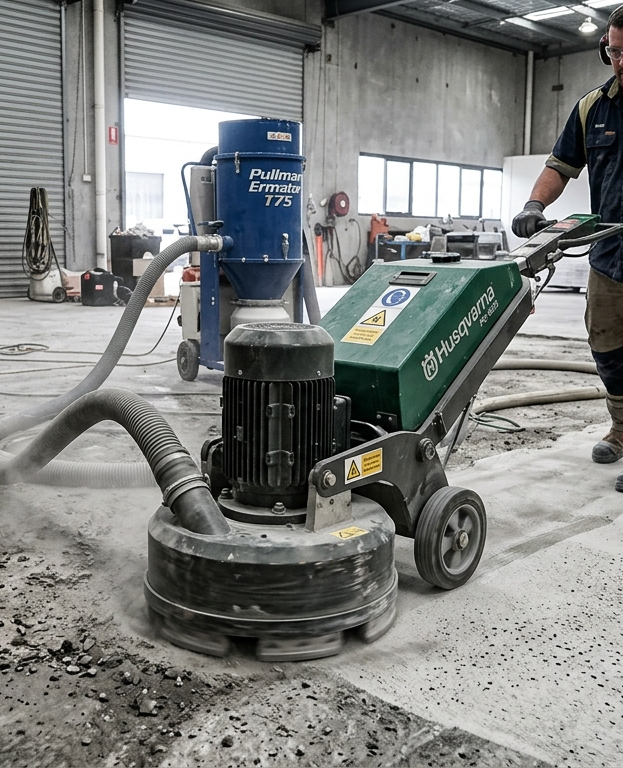
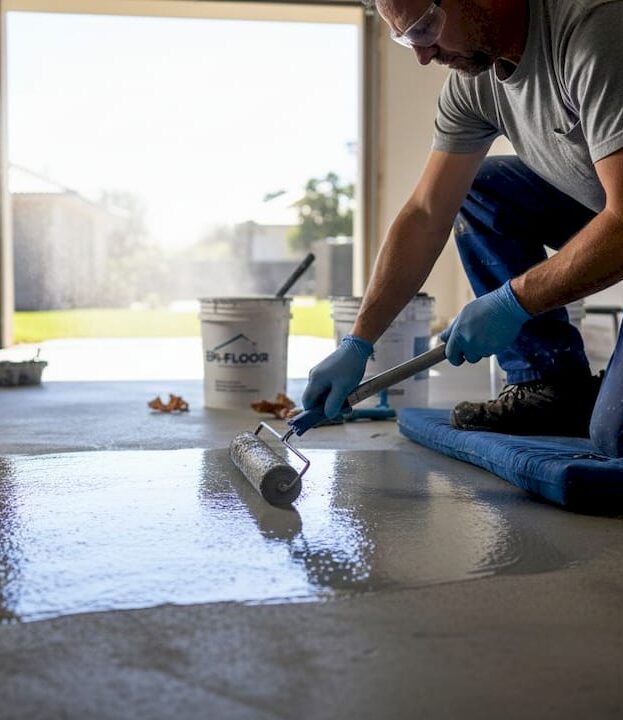
Professionals bring equipment and materials that are simply not available at retail level. Industrial diamond grinders, HEPA dust extraction systems, and commercial-grade epoxy and polyurethane coatings produce results that no consumer product can replicate. Our epoxy floor coatings are formulated for Queensland conditions and applied to exacting standards. When selecting a contractor, verify their experience with your specific floor type, ask for references from comparable projects, and confirm they use products compliant with Australian standards. Our professional concrete polishing service covers everything from surface assessment through to final finish, with clear communication at every stage.
The overlooked truth about concrete floor maintenance in Queensland
After more than a decade working on concrete floors across Queensland, we have observed something that rarely appears in standard maintenance guides: most property owners significantly underestimate the role that climate plays in how quickly floors deteriorate.
Queensland is not a mild environment. The combination of high humidity, intense UV radiation, and the thermal shock of rapid temperature changes between air-conditioned interiors and hot outdoor slabs creates conditions that stress concrete surfaces continuously. A maintenance routine designed for a Melbourne property will not perform the same way here.
Beyond climate, there is a market expectation shift happening right now. Buyers and tenants in 2026 expect floors that look intentional, not just functional. A clean slab is no longer enough. The standard has moved toward polished, coated, or decoratively finished surfaces that signal quality and care. Concrete’s lasting value is increasingly tied to how well it presents, not just how structurally sound it is.
Reactive maintenance, fixing problems after they appear, will always cost more and deliver less than a forward-thinking care plan that anticipates Queensland’s environmental demands and evolving market expectations.
Take your concrete floors to the next level with expert help
Maintaining your concrete floors consistently is one of the most effective ways to protect your property investment and keep your spaces looking their best. But knowing what to do and having the right team to do it are two different things.

At FloorX Industries, we specialise in delivering concrete flooring solutions built for Queensland’s demanding conditions. Whether you need a full restoration, a protective coating, or ongoing maintenance support, our team brings over a decade of hands-on experience to every project. Explore our epoxy floor coatings service or our concrete polishing service to find the right solution for your home or business. We work with you to tailor a plan that suits your floor type, usage, and budget.
Frequently asked questions
What happens if I skip maintaining my concrete floors?
Neglected concrete is more likely to crack, stain, and require resurfacing, and skipping maintenance leads to higher repair costs and reduced property value over time.
How often should concrete floors be resealed?
For most homes and businesses, resealing every two to three years is ideal, though high-traffic or outdoor floors in Queensland’s climate may need attention annually.
Does maintenance differ for indoor and outdoor concrete floors?
Yes, outdoor concrete is exposed to UV, moisture, and temperature shifts, so it requires more frequent cleaning, inspection, and protective sealing than indoor surfaces.
Can I DIY all concrete floor maintenance?
Basic sweeping, mopping, and minor spot cleaning are manageable DIY tasks, but deep stains, structural cracks, and advanced coating applications require professional equipment and expertise.